
Inter-Agency Chemicals Group
Chemical pollution is a significant pressure on biodiversity and is identified internationally as part of the triple planetary crisis of pollution, climate change and biodiversity loss (Figure 1). Chemical pollution can be a transboundary issue and affects many aspects of Country Nature Conservation Body (CNCB) evidence, advisory and statutory remits.
The Inter-Agency Chemicals Group (IACG) is chaired by JNCC and includes members from Natural England, NatureScot, Northern Ireland Environment Agency, and Natural Resources Wales. The IACG has met quarterly since April 2024 and established its first workplan in December 2024.
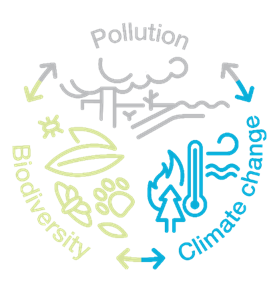
Figure 1: The triple planetary crisis (Image © JNCC).
Aims
The remit of the IACG is co-ordination and development of UK-level advice, evidence projects and initiatives relating to chemical pollution and conservation across terrestrial, freshwater and marine habitats.
The IACG aims to:
- Share key evidence and be consistent in the advice CNCBs provide where possible.
- Uphold the principle that advice is based on the most up-to-date evidence and reflects best practice to protect, enhance and restore biodiversity and ecosystem function in relation to chemical pollution.
- Collaborate on research projects by co-designing, seeking investment and facilitating use of UK level evidence prioritised by the IACG.
- Raise the profile of pollution effects on ecosystems, solutions and policy effectiveness to drive innovation and action in the UK.
Our Work
The work of the IACG includes:
- Knowledge sharing through presentations from members and their colleagues, as well as external contributors.
- Horizon scanning focused on chemical pollution, primarily in the UK.
- Contributing to chemicals capability building through student support. Regular updates are provided on Centres for Doctoral Training that members are involved with, and placement students are invited to participate in meetings.
- Developing a shared understanding of chemical pollution policies and activities across the four countries of the UK, identifying priorities and relevant actions.
Categories:
Published: